
The 2026 IIHF World Junior Championship, marking the tournament's 50th anniversary, kicked off on December 26, 2025, in Minneapolis and Saint Paul, Minnesota.
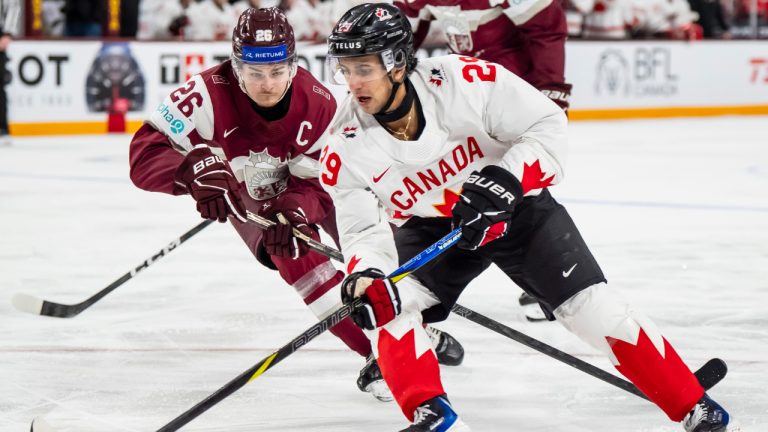
It's the first time the event has returned to the United States since 2018, and only the seventh U.S. hosting overall. Group B games, including all of Canada's preliminary round matches, are being played at 3M Arena at Mariucci a cozy college hockey venue on the University of Minnesota campus with a capacity of around 10,000.
As of December 29, 2025, Canada has played three preliminary games:
- December 26 vs. Czechia
- December 27 vs. Latvia
- December 29 vs. Denmark (ongoing or just completed)
While exact per-game attendance figures aren't yet publicly detailed in official IIHF reports (the attendance statistics page lists categories but no specific numbers as the tournament is in progress), early indications and historical context paint a clear picture: crowds for Canada's games have been underwhelming compared to expectations—and frankly, compared to what this tournament deserves when featuring the hockey-mad nation's junior squad.
Let's look at the reality. When the World Juniors are held in Canada, Canada games are events. They sell out NHL-sized arenas instantly, drawing 18,000–20,000+ fans per game. For reference, the 2025 tournament in Ottawa (at Canadian Tire Centre, capacity ~18,580) recorded a total attendance of 296,895 across 29 games—the eighth-highest in history—with Canada games consistently packing the house and creating an electric, red-and-white sea of passion.
In contrast, Canada's games this year are confined to the smaller Mariucci Arena. Even if these games sell out (which reports suggest they have for prime slots), we're talking a maximum of about 10,000 fans half of what Canada draws on home soil. Local Minnesota hockey enthusiasm is strong, and the "State of Hockey" is turning out for U.S. games at the larger Grand Casino Arena (formerly Xcel Energy Center, capacity ~18,000).
But for Canada? Many seats are filled by neutral college fans or scattered international supporters, not the fervent Canadian expatriates or border-crossing hordes that flood venues north of the line.
This isn't just about numbers; it's about atmosphere. The World Juniors thrive on rivalry, national pride, and raucous crowds especially for Canada, whose games are cultural holidays back home. Playing in a smaller U.S. college rink dilutes that intensity. Sure, proximity to Canada might draw some fans from Manitoba or Ontario, but it's no substitute for a full Canadian hosting.
The tournament's record single-game attendance? 44,592 at the 2015 outdoor game in Toronto (Canada vs. USA). Nothing in Minnesota will touch that.
Opinion time: Hosting in the U.S. is a noble effort to grow the game south of the border, and Team USA's back-to-back golds (2024 and 2025) deserve home-ice cheers. But placing Canada's group in the smaller venue feels like a misstep. It risks turning "must-see" Canada matchups into boutique college events rather than national spectacles.
If the IIHF wants to maximize global appeal and revenue, alternating hosts is fine—but Canada games should always be in the biggest building available. The lackluster relative turnout (capped by venue size) highlights why the tournament explodes in popularity when in Canada: it's not just the hockey; it's the shared cultural frenzy.
If Canada advances deep (as they should, with stars like projected 2026 No. 1 pick Gavin McKenna leading the charge), medal rounds shift to the larger Grand Casino Arena. That could salvage some buzz. But for now, the preliminary round turnout for the maple leaf feels like a missed opportunity. Hockey fans deserve better, pack the big barn for Canada, every time.